8 Core Differences Between Plastic Formwork and Plywood
A comprehensive engineering breakdown comparing hollowcore polypropylene formwork panels against timber plywood across 8 core physical and chemical criteria.
كل ما تحتاج لمعرفته قبل الاستثمار في ألواح الشدات البلاستيكية: مقارنات المواد، معايير تحقيق 60+ صبة، الحسابات الاقتصادية للمتر المربع، وتسريع وتيرة الإنشاء.
An essential civil engineering guide exploring plastic formwork plywood: raw materials (PP vs PVC), cellular core advantages, zero water absorption, and 60+ reuse cycles on concrete jobsites.
Why leading contractors and site engineers are replacing traditional timber plywood with polymer formwork boards: zero water absorption, 60+ reuse cycles, plastering elimination, lightweight fixed ergonomics, and overwhelming 50-pour lifecycle ROI.
أُعدت بناءً على ممارسات المواقع الإنشائية، الاختبارات المعملية، ونماذج التكلفة الفعلية.
A comprehensive engineering breakdown comparing hollowcore polypropylene formwork panels against timber plywood across 8 core physical and chemical criteria.
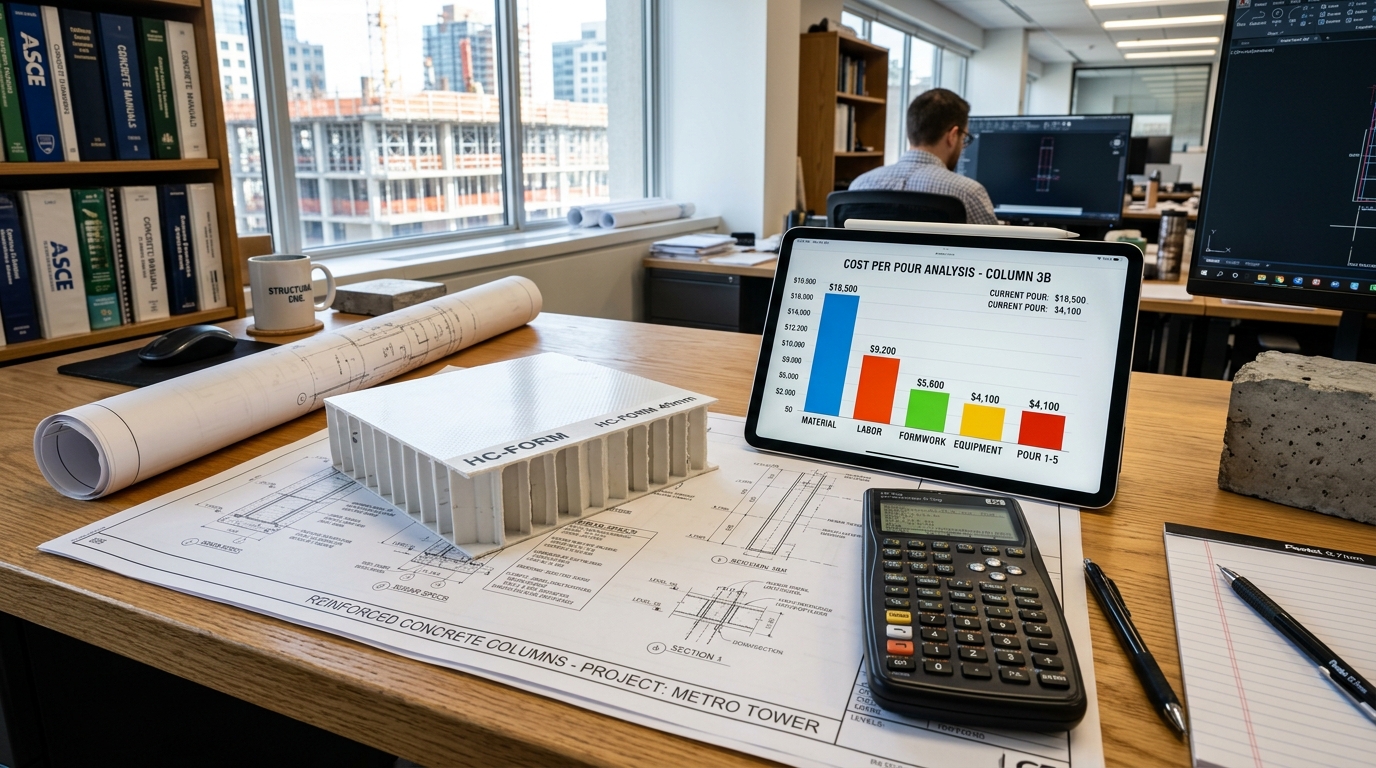
Purchase price is only the visible part of formwork expenditure. Explore the mathematical formula for calculating cost-per-pour amortisation across 50 cycles, including release oil and plastering savings.
How to reliably exceed 60 pours on multi-story jobsites: support spans (25-30 cm), edge nailing guidelines, vibrator clearance, and thermal dilation control.
A project-tailored material decision guide: when film-faced birch plywood remains practical versus when polypropylene panels deliver overwhelming technical ROI.
Detailed productivity analysis demonstrating how 24.5 kg fixed-weight polymer panels, effortless stripping, and plaster-free finishes accelerate overall project delivery.
An environmental impact report exploring how 100% recyclable thermoplastic formwork prevents timber depletion and earns vital LEED v4 and BREEAM waste diversion credits.
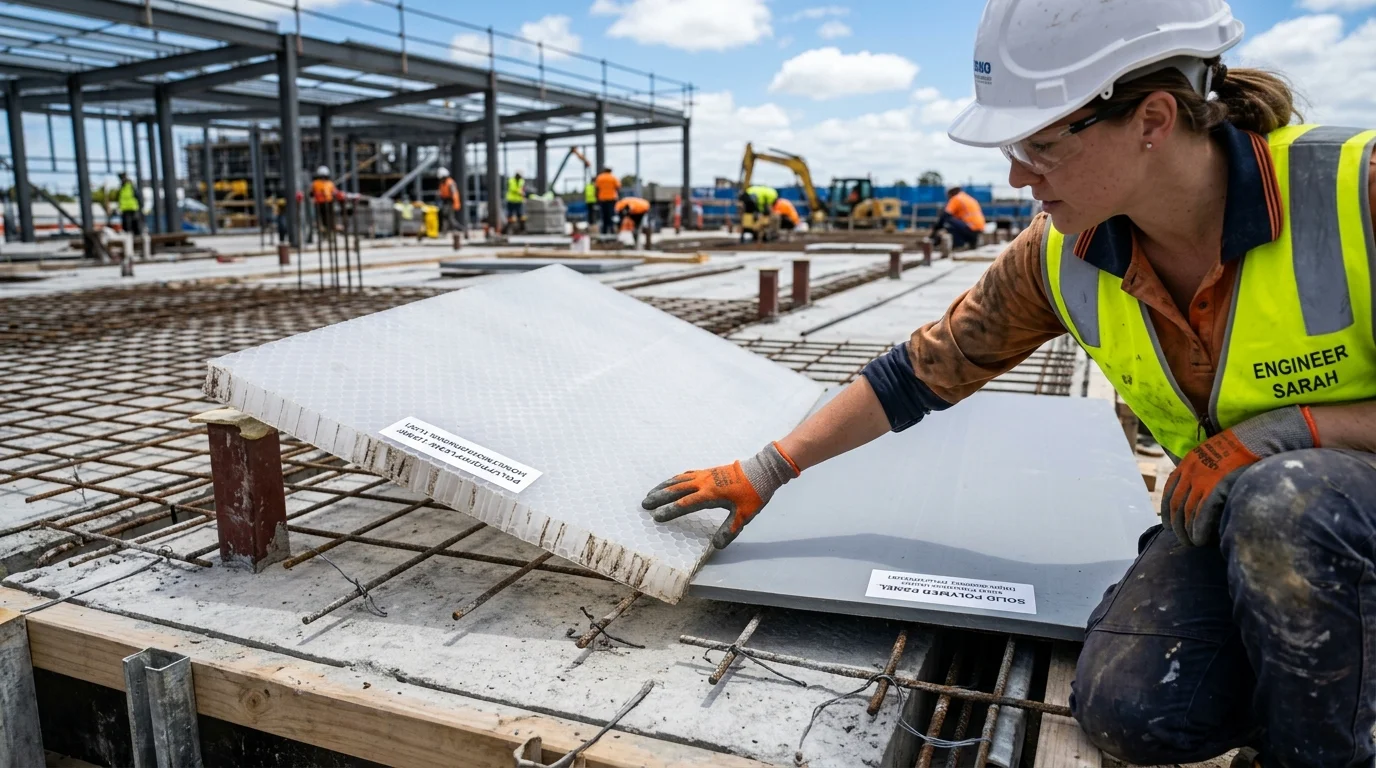
A technical comparison between cellular polypropylene (PP) and solid PVC formwork boards: density, cold-weather brittleness, nailing resilience, and lifecycle recycling economics.
Why 18mm thickness is the industry standard for polymer shuttering: H20 beam spacing, DIN 18218 deflection limits, acceptance testing, and turnkey tender clauses.
A practical civil quantity surveyor guide to calculating exact formwork sheets needed: gross floor to shuttering area multipliers, waste allowances, and floor turnaround sets.
Engineering protocol for polymer formwork under extreme weather: summer thermal dilation (2mm gap rule), sub-zero cold impact handling, steam curing, and storage.
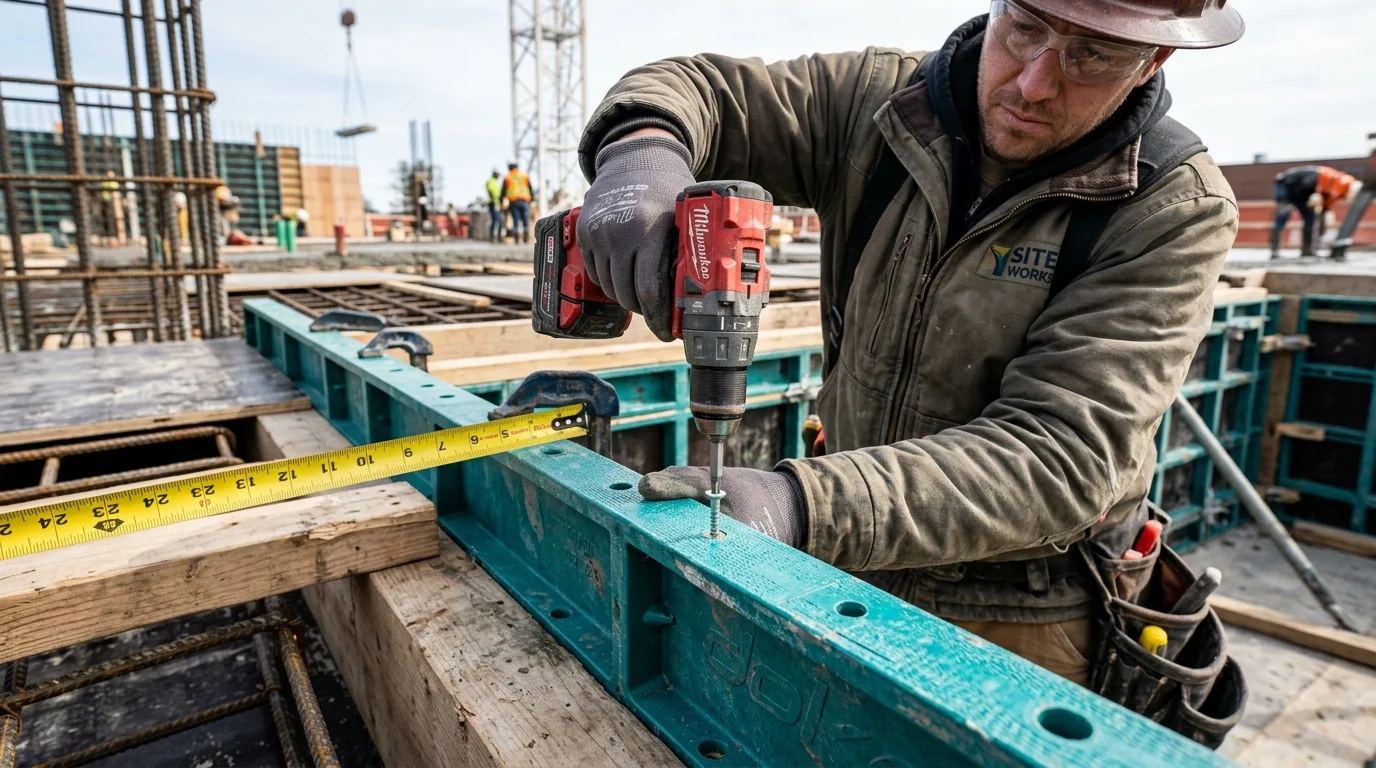
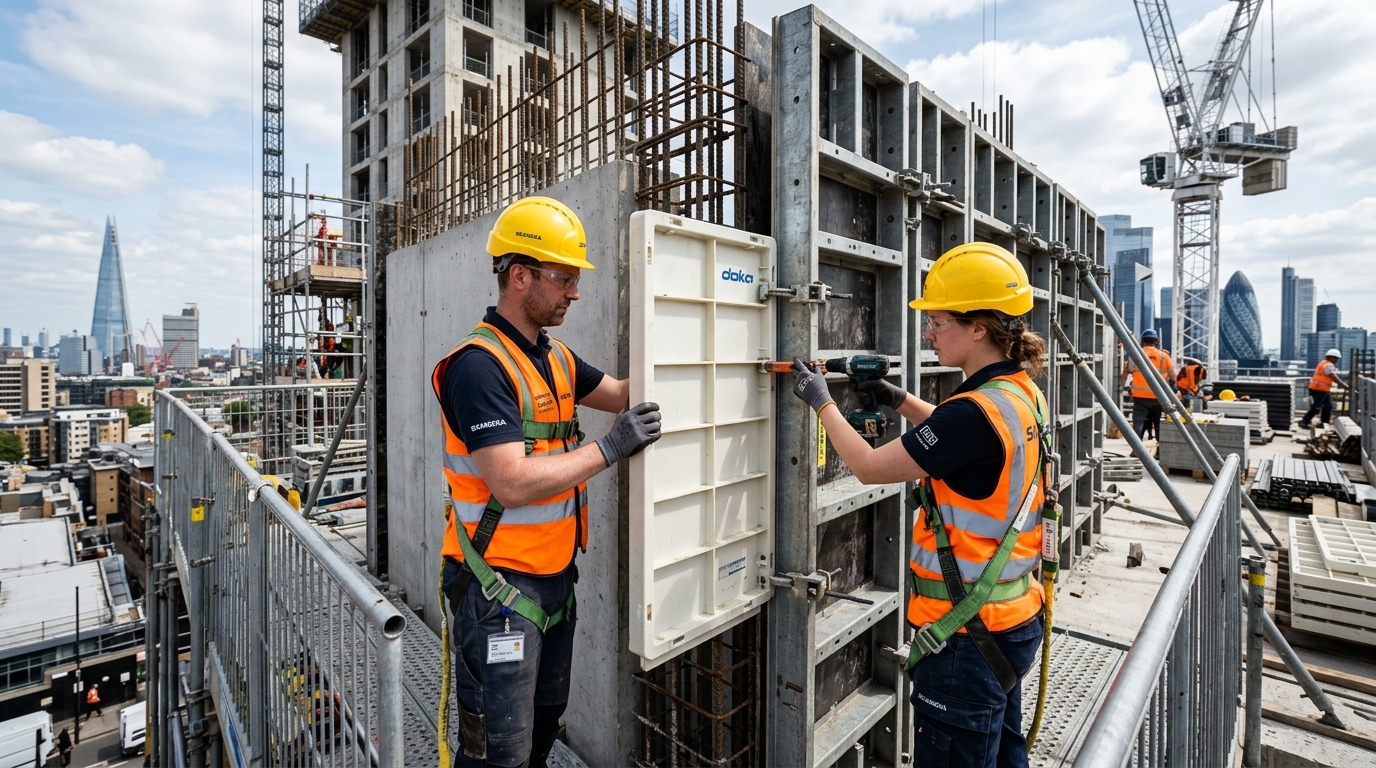
Nailing vs screwing on polymer shuttering: edge clearance rules, countersunk torx fasteners, stripping crowbar protocols, and preventing panel edge tear-out.
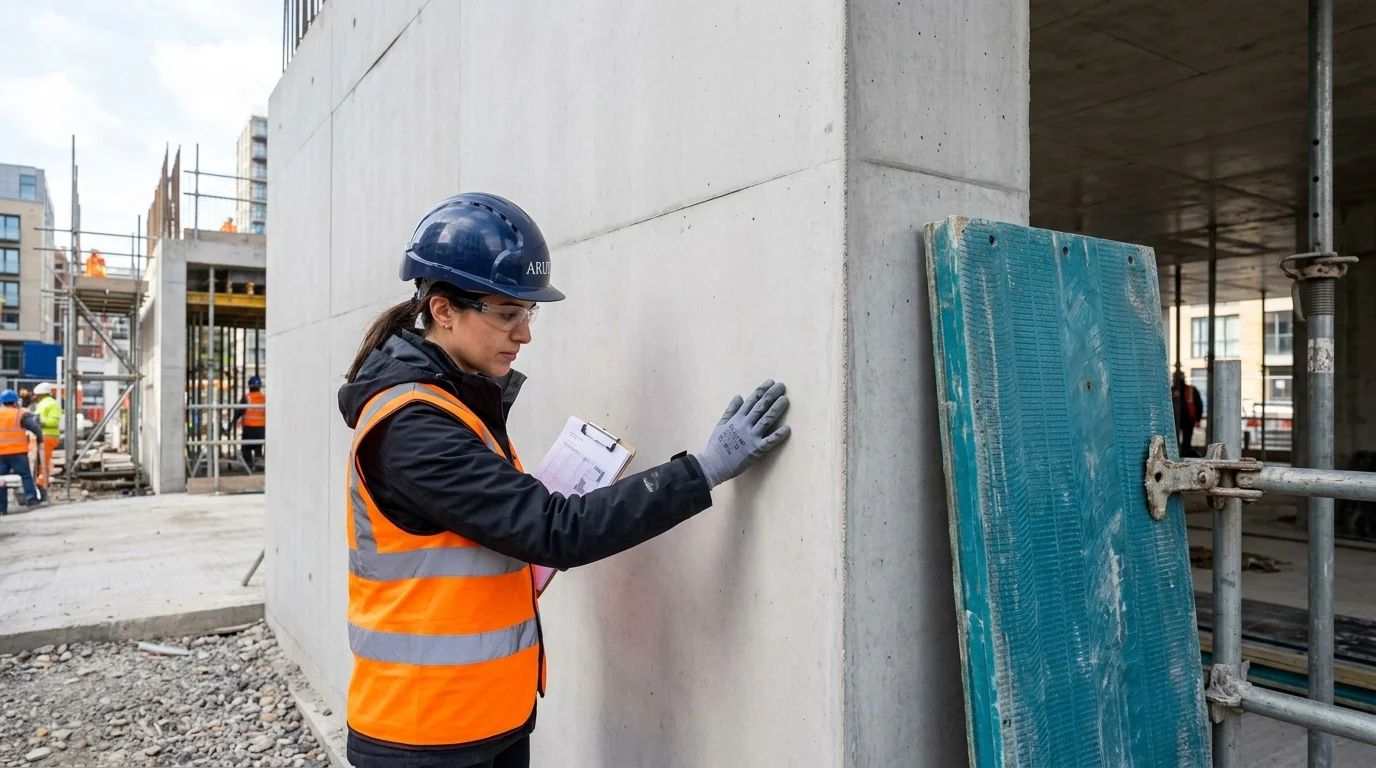
Do polymer boards require chemical release agents? Explore the non-stick hydrophobic surface physics delivering immaculate fair-faced architectural concrete with zero staining.
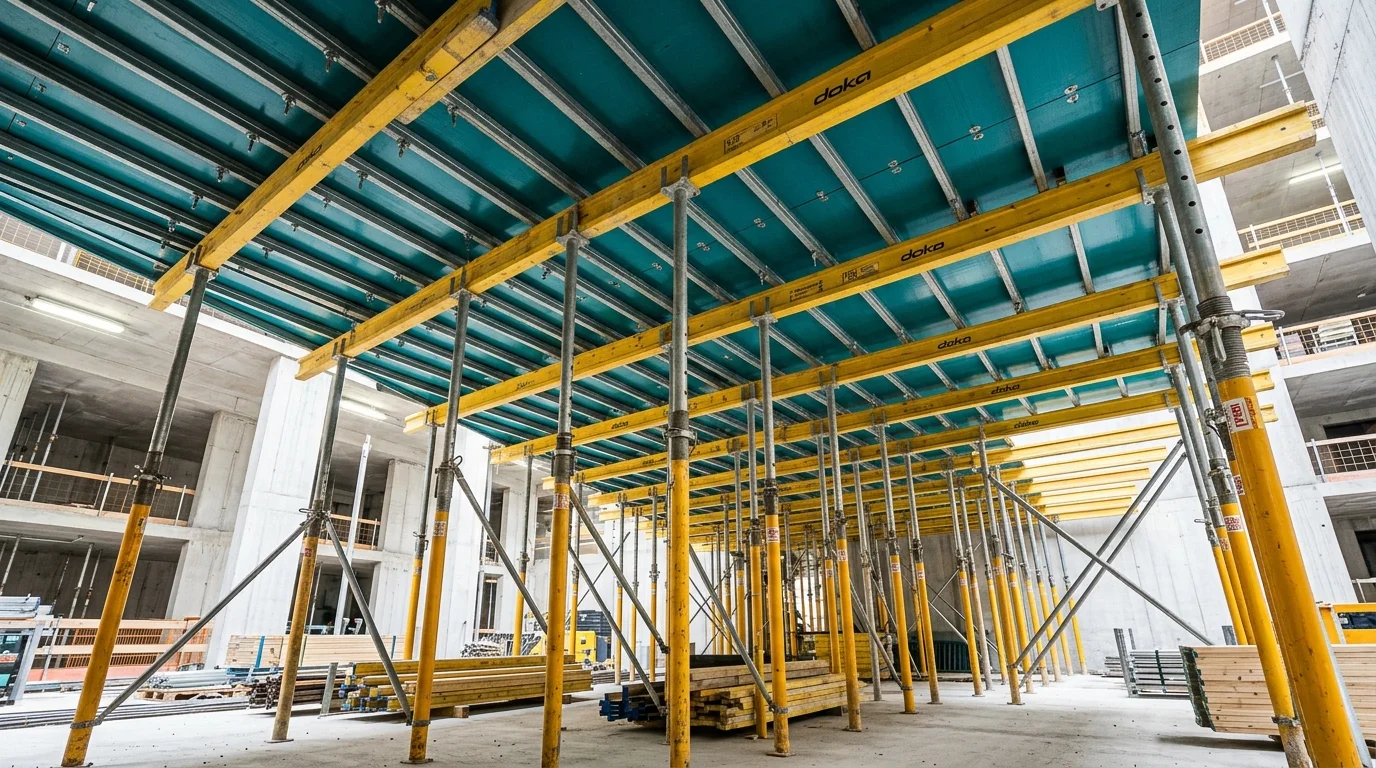
Civil calculations determining exact H20 timber beam support spacing under varied slab thicknesses (15cm to 35cm) ensuring zero formwork flexure within L/400 limits.
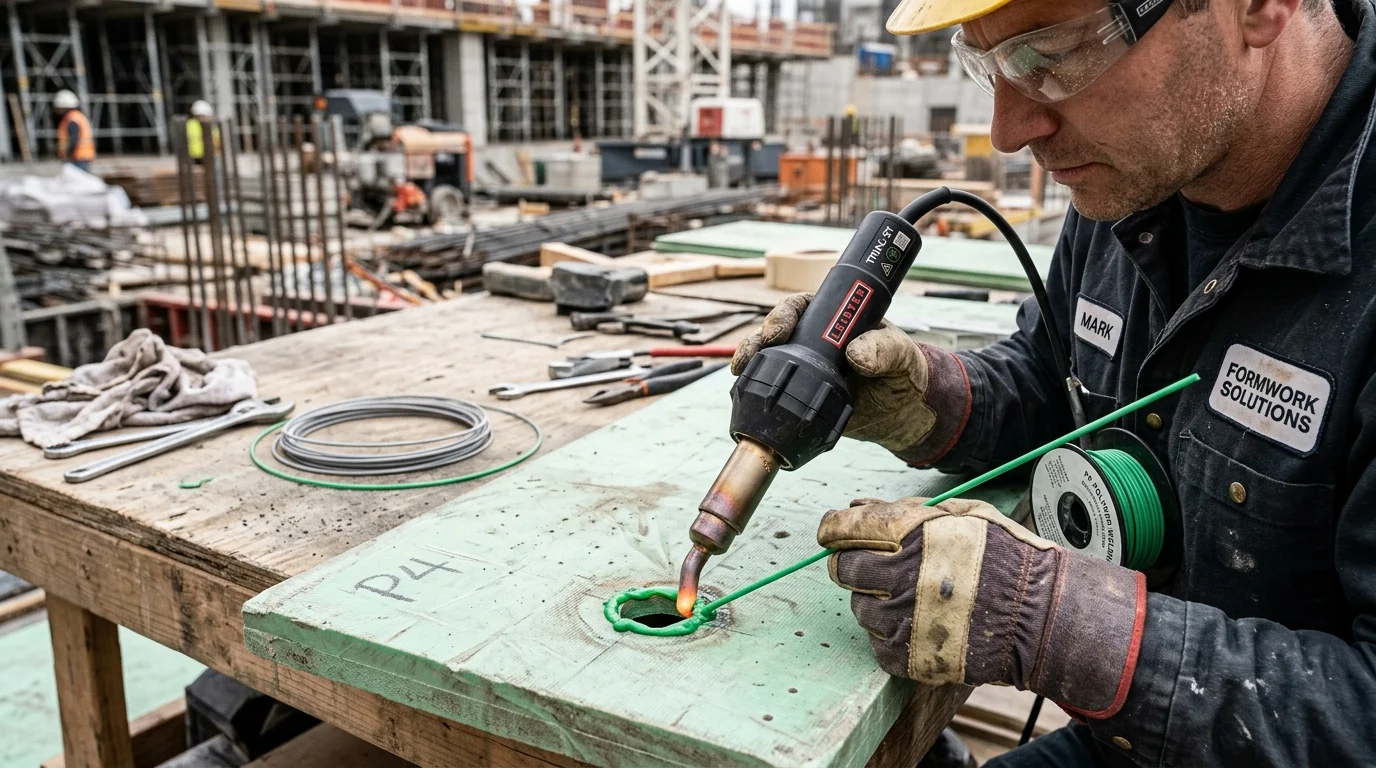
A hands-on civil maintenance protocol: high-pressure water blasting (150 bar), avoiding metal scraping, and hot-air extrusion welding to patch tie-rod holes effortlessly.
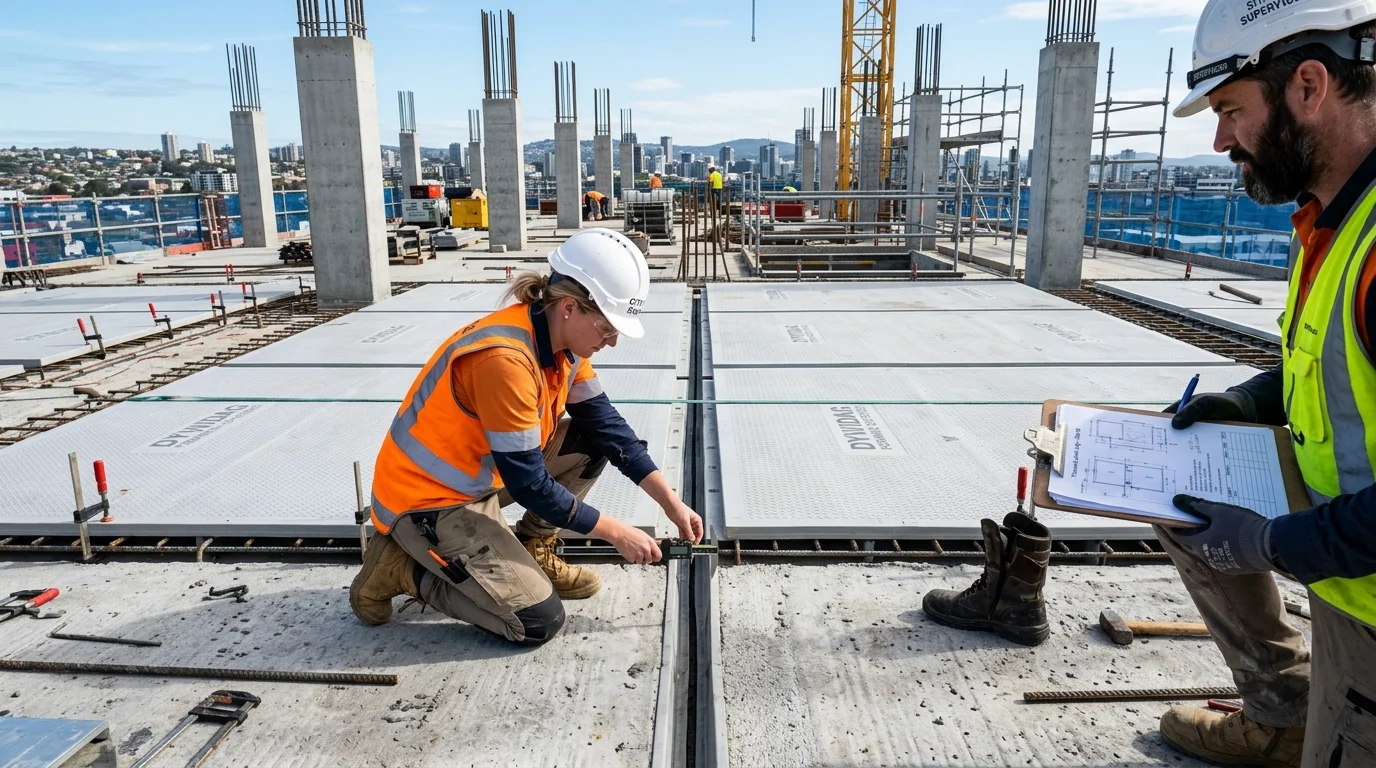
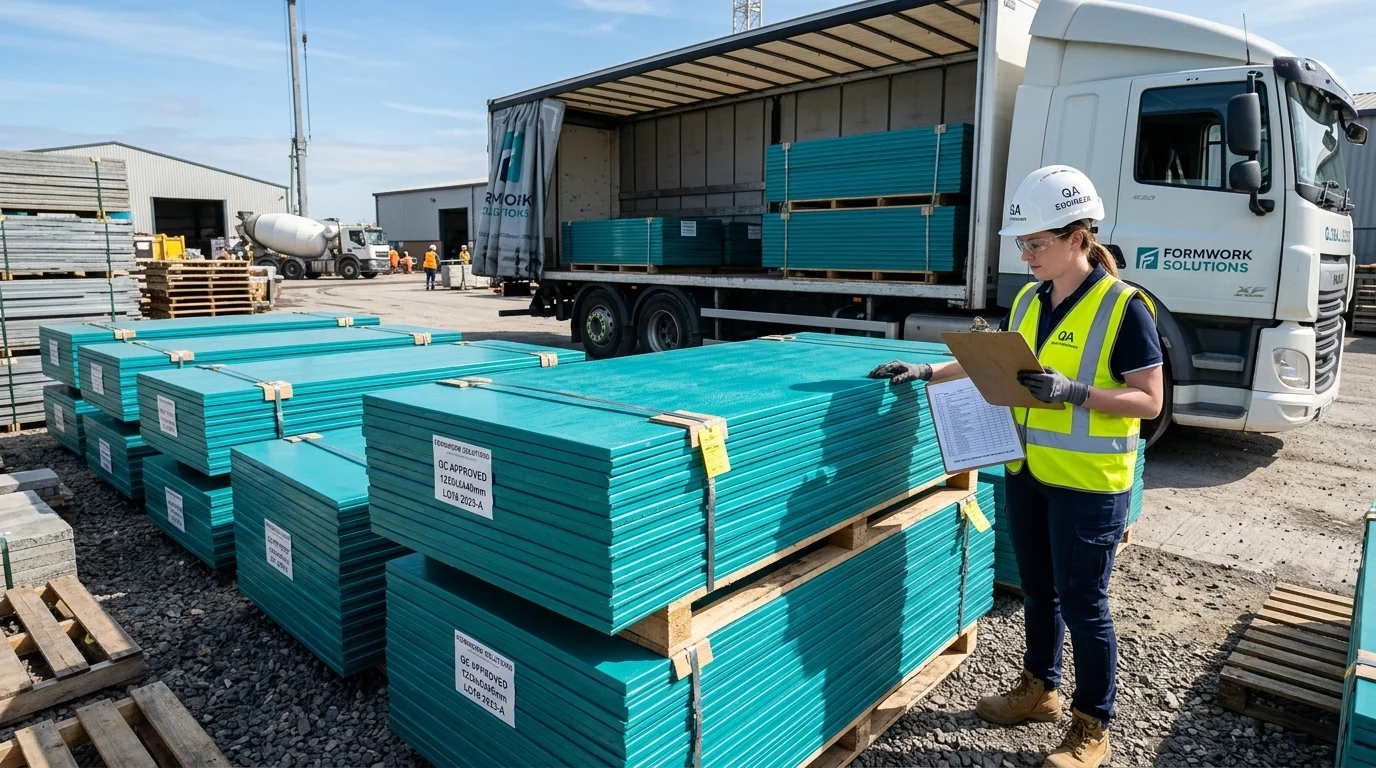
A civil engineering QA checklist for incoming truck deliveries: pallet strapping, digital caliper thickness verification, squareness checks, and receiving sign-off.
معلومات وافية عن اختيار الألواح، مرات الاستخدام، الفحوصات الفنية والشحن الدولي.
هو مصطلح تجاري شائع يطلق على الألواح البوليمرية المستخدمة كأوجه لقوالب صب الخرسانة. عند تقييم المنتج، ينبغي فحص نوع البوليمر (PP أو PVC) والهيكل الداخلي والمقاسات وتعليمات الاستخدام معاً.
لا، فهما عائلتان مختلفتان تماماً من المواد. تساوي السماكة الاسمية لا يعني تطابق الوزن أو الجساءة أو شروط التطبيق، ويجب إجراء المقارنة بالاعتماد على الفحوصات والبيانات الفنية المعتمدة.
تصل الألواح في العادة إلى ما بين 40 و80+ صبة خرسانية، ويعتمد ذلك على دقة العمالة وطريقة فك القوالب والتخزين السليم في موقع المشروع.
يتحدد السعر بناءً على نوع البوليمر (PP أو PVC)، والسماكة (15، 18، 21 مم)، وحجم الطلب (عدد الألواح، المنصات، حمولة شاحنة أو حاوية كاملة)، ومكان وشروط التسليم.
يتم ذلك من خلال مراجعة إقرارات المصنع وشهادات المطابقة الفنية المعتمدة؛ حيث توفر SerPlywood وثائق فنية واضحة تبين نسب المواد المعاد تدويرها وجودة البوليمر ومطابقته البيئية.
مقاومة الماء بنسبة 100% هي الميزة الأبرز مقارنة بالخشب (عدم الانتفاخ أو التلف مطلقاً)، إلا أن سلوك الانحناء تحت الحمل والتمدد الحراري يستلزمان أيضاً تصميماً هندسياً سليماً لدعامات القالب.
أرسل الأبعاد المطلوبة والسماكة والكمية التقديرية ومكان التسليم لطلب عرض توريد مفصل وواضح.