8 Core Differences Between Plastic Formwork and Plywood
A comprehensive engineering breakdown comparing hollowcore polypropylene formwork panels against timber plywood across 8 core physical and chemical criteria.
Alles Wissenswerte vor der Investition in Schalungsplatten: Materialvergleiche, 60+ Einsätze, Amortisationsrechnungen, Baustellenproduktivität und Recyclingdaten.
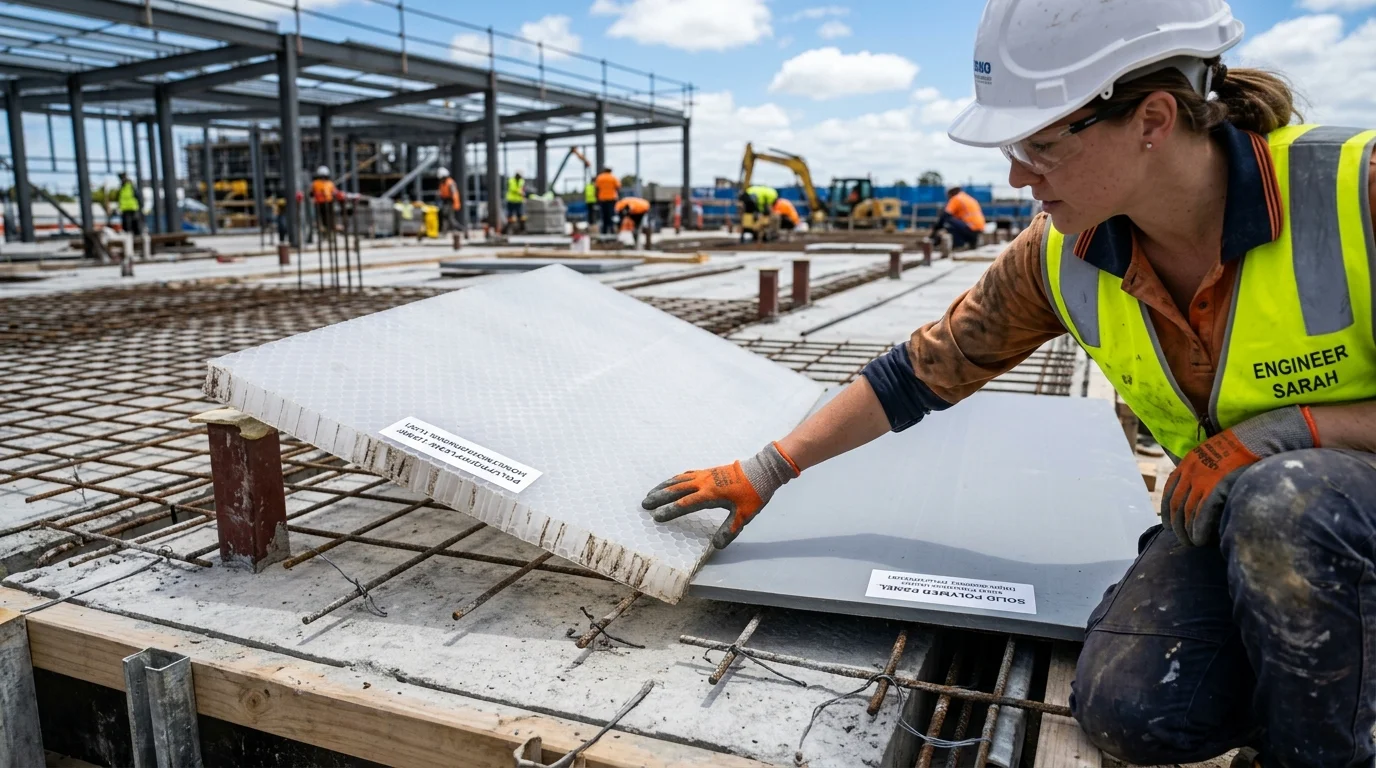
An essential civil engineering guide exploring plastic formwork plywood: raw materials (PP vs PVC), cellular core advantages, zero water absorption, and 60+ reuse cycles on concrete jobsites.
Why leading contractors and site engineers are replacing traditional timber plywood with polymer formwork boards: zero water absorption, 60+ reuse cycles, plastering elimination, lightweight fixed ergonomics, and overwhelming 50-pour lifecycle ROI.
Basierend auf Baustellenerfahrungen, Labortests und Wirtschaftlichkeitsberechnungen.
A comprehensive engineering breakdown comparing hollowcore polypropylene formwork panels against timber plywood across 8 core physical and chemical criteria.

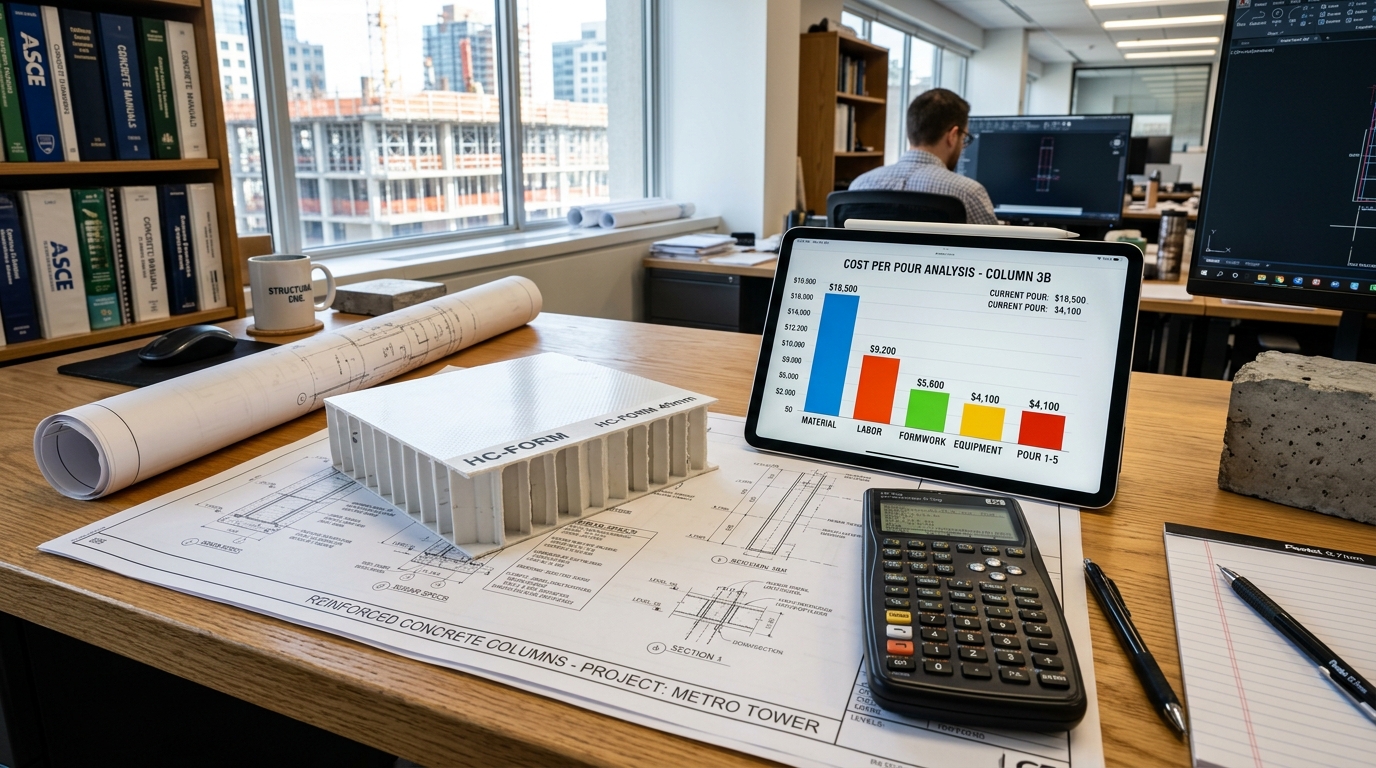
Purchase price is only the visible part of formwork expenditure. Explore the mathematical formula for calculating cost-per-pour amortisation across 50 cycles, including release oil and plastering savings.
How to reliably exceed 60 pours on multi-story jobsites: support spans (25-30 cm), edge nailing guidelines, vibrator clearance, and thermal dilation control.
A project-tailored material decision guide: when film-faced birch plywood remains practical versus when polypropylene panels deliver overwhelming technical ROI.
Detailed productivity analysis demonstrating how 24.5 kg fixed-weight polymer panels, effortless stripping, and plaster-free finishes accelerate overall project delivery.
An environmental impact report exploring how 100% recyclable thermoplastic formwork prevents timber depletion and earns vital LEED v4 and BREEAM waste diversion credits.
A technical comparison between cellular polypropylene (PP) and solid PVC formwork boards: density, cold-weather brittleness, nailing resilience, and lifecycle recycling economics.
Why 18mm thickness is the industry standard for polymer shuttering: H20 beam spacing, DIN 18218 deflection limits, acceptance testing, and turnkey tender clauses.
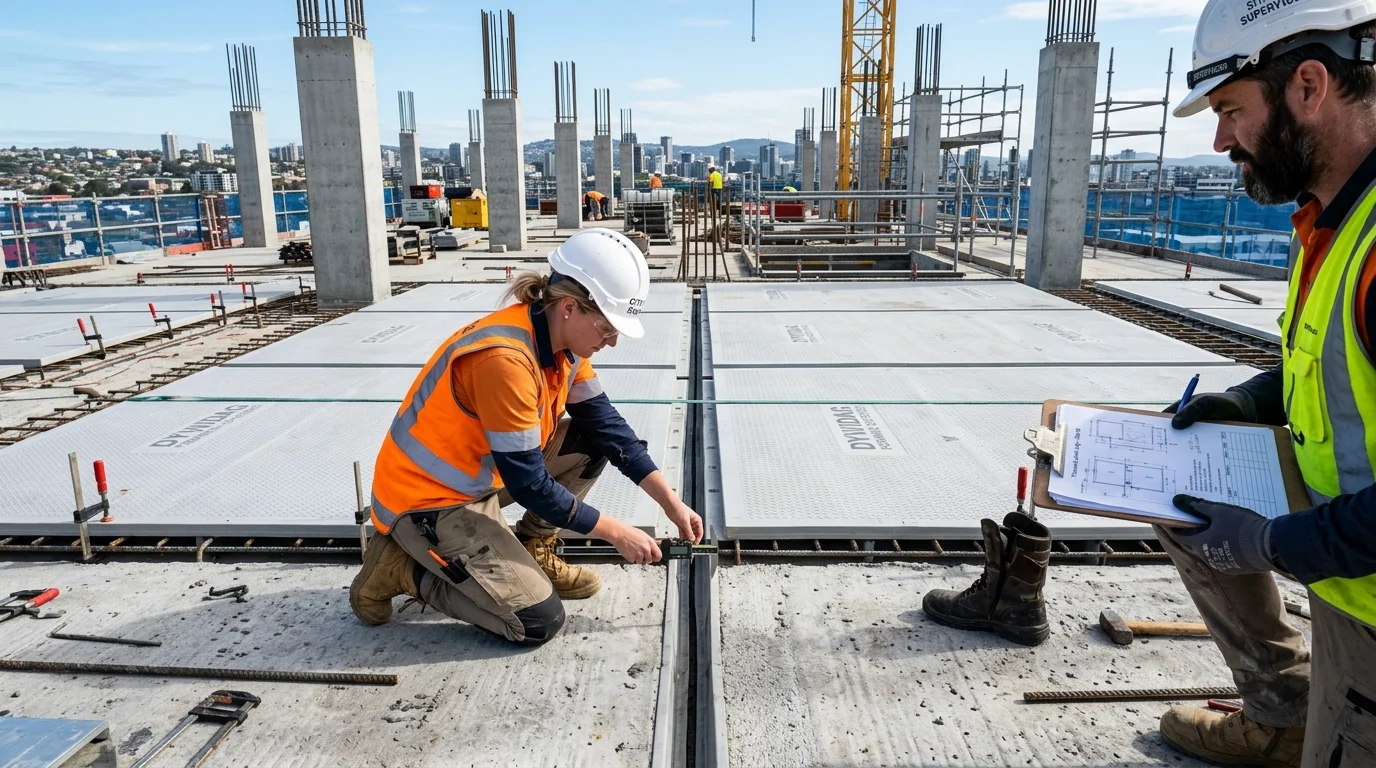
A practical civil quantity surveyor guide to calculating exact formwork sheets needed: gross floor to shuttering area multipliers, waste allowances, and floor turnaround sets.
Engineering protocol for polymer formwork under extreme weather: summer thermal dilation (2mm gap rule), sub-zero cold impact handling, steam curing, and storage.
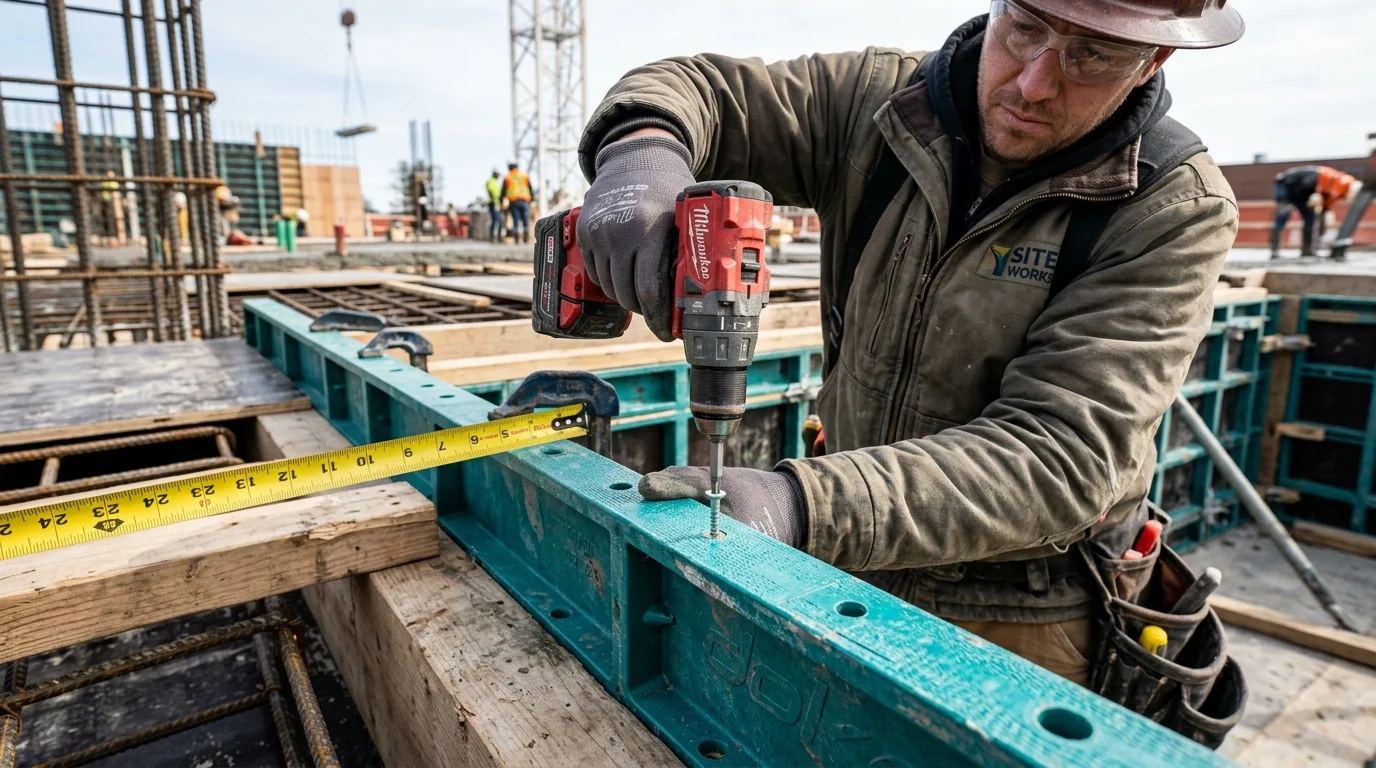
Nailing vs screwing on polymer shuttering: edge clearance rules, countersunk torx fasteners, stripping crowbar protocols, and preventing panel edge tear-out.
Do polymer boards require chemical release agents? Explore the non-stick hydrophobic surface physics delivering immaculate fair-faced architectural concrete with zero staining.
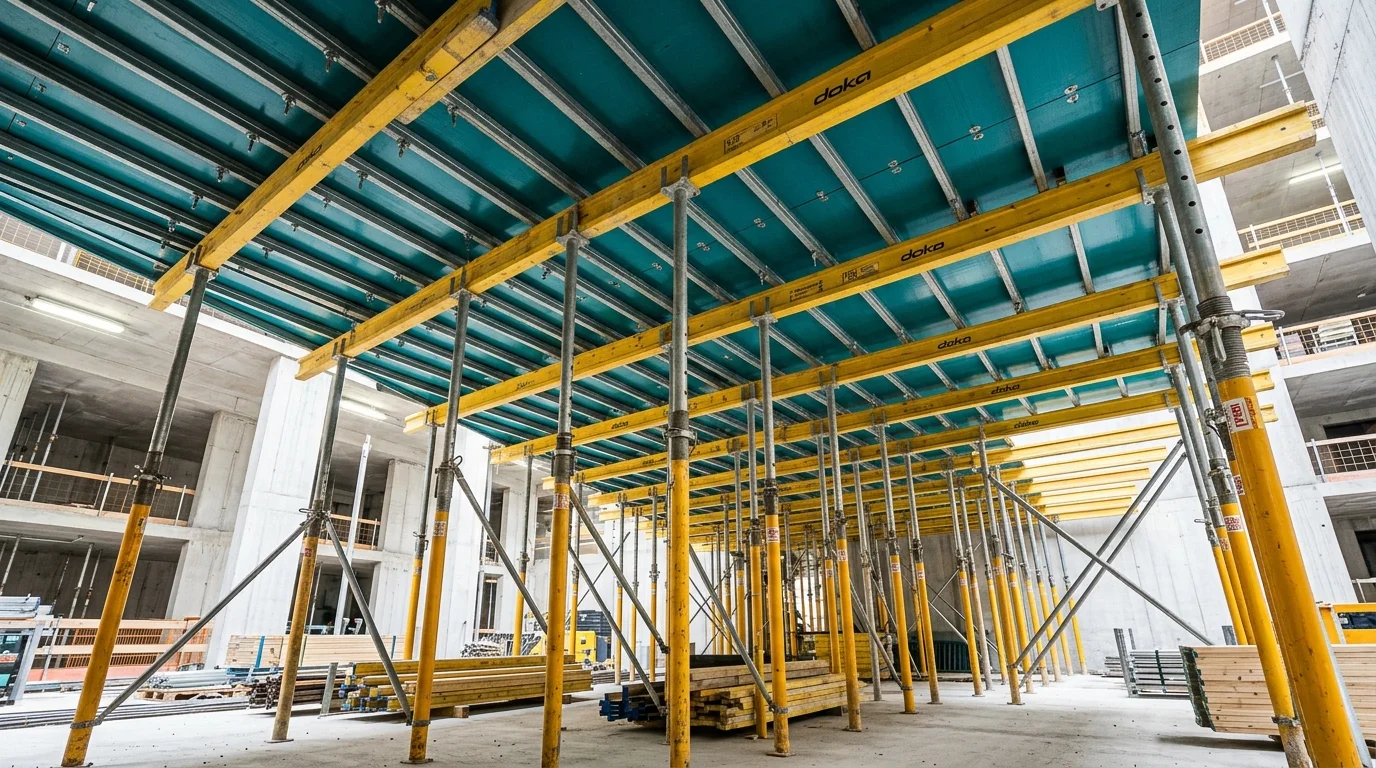
Civil calculations determining exact H20 timber beam support spacing under varied slab thicknesses (15cm to 35cm) ensuring zero formwork flexure within L/400 limits.
A hands-on civil maintenance protocol: high-pressure water blasting (150 bar), avoiding metal scraping, and hot-air extrusion welding to patch tie-rod holes effortlessly.
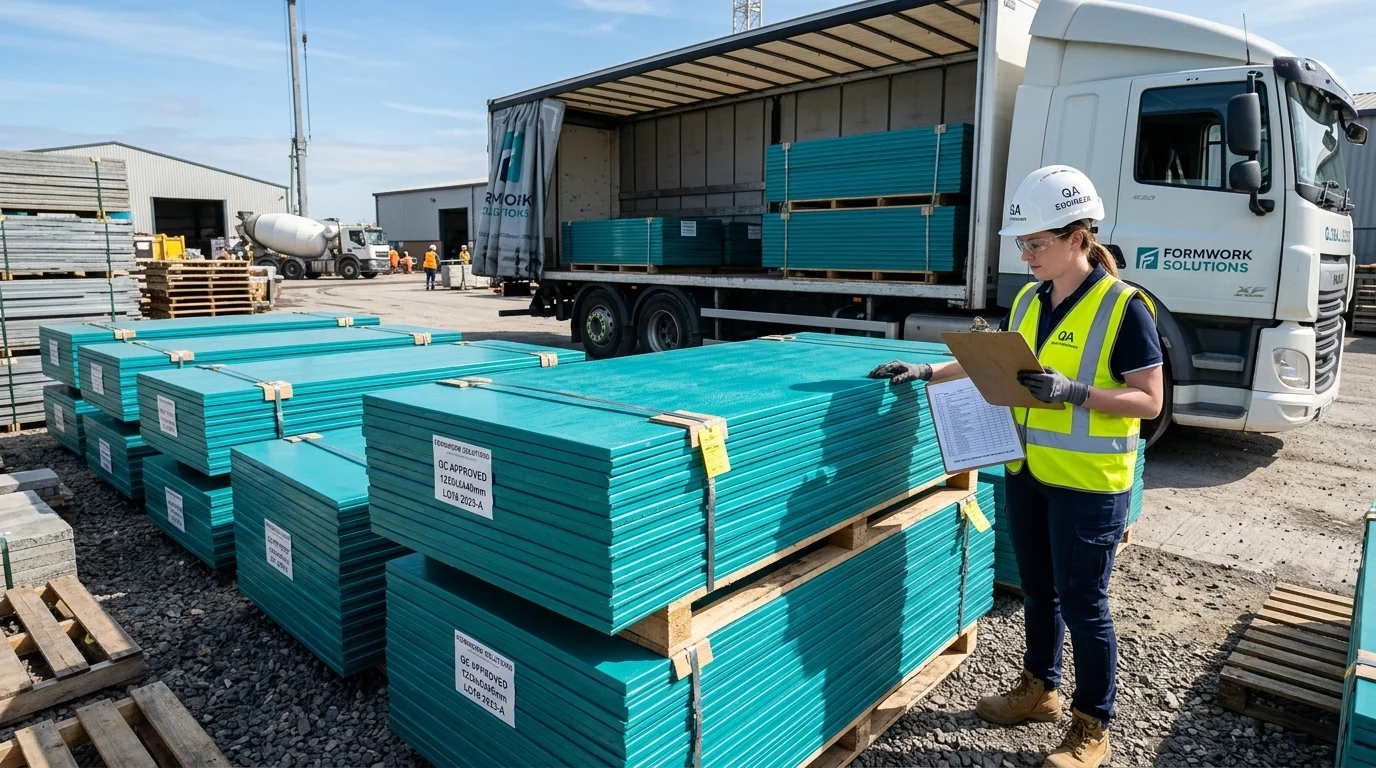
A civil engineering QA checklist for incoming truck deliveries: pallet strapping, digital caliper thickness verification, squareness checks, and receiving sign-off.
Antworten zu Plattenauswahl, Einsatzzyklen, technischen Parametern und Lieferabwicklung.
Es ist ein handelsüblicher Begriff für Schalungsplatten aus Polymeren für Betonarbeiten. Bei der Beurteilung müssen Polymertyp (PP oder PVC), Querschnittsgeometrie, Abmessungen und Anwendungshinweise gemeinsam betrachtet werden.
Nein, es handelt sich um unterschiedliche Werkstoffklassen. Gleiche Nenndicke bedeutet keineswegs gleiches Gewicht, gleiche Steifigkeit oder gleiches Tragverhalten; entscheidend sind die technischen Prüfwerte.
Je nach Baustellenführung, Schalungsbehandlung und Sorgfalt beim Ausschalen werden 40 bis über 80 Einsätze erreicht. Dies stellt einen praxisbewährten Erfahrungsbereich dar.
Der Preis richtet sich nach Polymertyp (PP/PVC), Plattendicke (15, 18, 21 mm), Abnahmemenge (Stück, Paletten, LKW-Ladung) und den vereinbarten Lieferbedingungen (Baustelle, Lager oder Hafen).
Dies wird anhand der Herstellererklärung und relevanter Zertifikate überprüft. Recycelte Anteile und Umweltzertifikate werden bei SerPlywood in den technischen Dokumenten transparent ausgewiesen.
Die Wasserbeständigkeit ist der größte Vorteil gegenüber Holz (kein Quellen oder Verrotten). Dennoch erfordern Durchbiegungsverhalten und thermische Ausdehnung eine fachgerechte Schalungsplanung.
Teilen Sie uns Abmessungen, Dicke, Menge und Lieferort mit. Wir erstellen ein Angebot mit klar definiertem Lieferumfang.