Plastic Formwork Panels in Shear Wall Construction
In high-strength shear wall construction, SerPlywood polymer boards maintain dimensional stability against intense hydrostatic fresh concrete pressure (60-80 kN/m²), eliminate blowout around tie-rods, and deliver extended service life in steel-frame panels.
Yatay Beton Basıncı ve Panel Destek Konfigürasyonu
In wall concrete casting, lateral fresh concrete pressure can reach 60 to 80 kN/m² depending on pour rate, slump, and temperature. Polymer formwork boards provide superior flexural strength against these loads. The table below specifies optimum support spacing by wall height:
| Perde Geometrisi | Maks. Beton Basıncı | Önerilen Levha Tipi | Dikme Aks Aralığı | Çift Kuşak (Waler) Aralığı | Tie-Rod Ankraj Aralığı |
|---|---|---|---|---|---|
| 3.00 m (Standart Kat Perdesi) | ~50 kN/m² | 18 mm PP Petek | 30 cm | 90 – 100 cm | 100 × 100 cm |
| 4.50 – 5.50 m (Otopark & Ticari) | ~65 – 70 kN/m² | 18 mm PP Petek / PVC | 25 cm | 75 – 85 cm | 80 × 80 cm |
| 6.00 – 8.00 m (Sanayi & Altyapı) | ~75 – 80 kN/m² | 18 mm PVC Dolu veya 21 mm PP | 20 – 25 cm | 65 – 75 cm | 75 × 75 cm |
| 8.00 m+ (Tırmanır / Hidrolik Kalıp) | ~85 kN/m² | 18 mm PVC Dolu veya 21 mm PP | 20 cm | 60 – 70 cm | 60 × 75 cm |
Yüksek perdelerde döküm hızı kontrolsüz artırıldığında tabandaki basınç akışkan sıvı basıncına yaklaşır. Dökümün kademeli (her seferinde 50-75 cm katmanlar halinde) yapılması ve iç vibratörün bir alt katmana 10-15 cm daldırılması hem sehim limitlerini korur hem de mükemmel pürüzsüz perde yüzeyi sağlar.
Tie-Rod (Tayrot) Delikleri, Koruma Boruları ve Tamir
Perde kalıplarında karşılıklı panoları sabitleyen tie-rod millerinin geçiş detayları levhanın uzun ömürlü olması için hayati öneme sahiptir:
1. Temiz Panç Delimi
Tie-rod delikleri standart ahşap veya bimetal panç ile açılır. Plastik homojen yapısı sayesinde liflenme yapmaz, delik kenarlarında çatlak veya çapak oluşturmaz.
2. PVC Boru & Koni Koruması
Tie-rod mili doğrudan levhayla temas ettirilmez; standart PVC koruyucu boru ve uçlarına plastik koni takılır. Bu sayede çimento şerbetinin levha kesitine girmesi %100 önlenir.
3. Polimer Tapa ile Onarım
Farklı aksa geçildiğinde eski tie-rod delikleri standart polimer tamir tapaları (plugs) veya sıcak hava polimer kaynak tabancasıyla 1 dakikada kapatılarak levha yeniden tam su sızdırmaz hale getirilir.
Wall Formwork & Push-Pull Prop Locking on Site

Hydrostatic Pressure & Double Waler Locking
18 mm polymer sheets resisting 60-80 kN/m² lateral pressure with plumb-adjustable push-pull props.

Zero Moisture Degradation in Subterranean Water Conditions
100% waterproof honeycomb core will never swell, rot, or delaminate in saturated subterranean excavation sites.
Step-by-Step Wall Formwork Assembly
6 professional steps for high-pressure wall casting and fair-faced concrete without plastering:
Frame Preparation
Steel-framed panels or H20 vertical frames are aligned square on level ground.
Board Fastening
Fasten polymer boards from behind using rivets or frame screws to keep the face mirror-smooth.
Joint Sealing
Apply adhesive sponge sealing tape along panel joints to prevent grout leakage.
Tie-Rod Installation
Place opposing panels, insert sleeved tie-rod bars and tighten waler nuts with equal torque.
Controlled Pouring
Pour concrete in 50-70 cm lifts; insert needle vibrators vertically without touching polymer faces.
Stripping & Cleaning
Release waler nuts and crane-strip panels. Wash non-stick polymer boards with water spray for the next wall.
Hydrostatic fresh concrete pressure peaks at the bottom meter. Keep bottom double walers spaced at maximum 60-70 cm and anchor push-pull props firmly to the slab.
Compatible Wall Formwork Systems
Steel-Framed Panel Systems (Doka, Peri, Meva compatible)
Engineered for high lateral hydrostatic pressure resistance.
H20 Timber Beam Large-Area Wall Shutters
Engineered for high lateral hydrostatic pressure resistance.
Climbing & Single-Sided Retaining Wall Formwork
Engineered for high lateral hydrostatic pressure resistance.
Circular & Curved Adjustable Wall Formwork
Engineered for high lateral hydrostatic pressure resistance.
Recommended Formwork Boards for This Application
Select the optimal board thickness based on hydrostatic pressure and required reuse cycles.
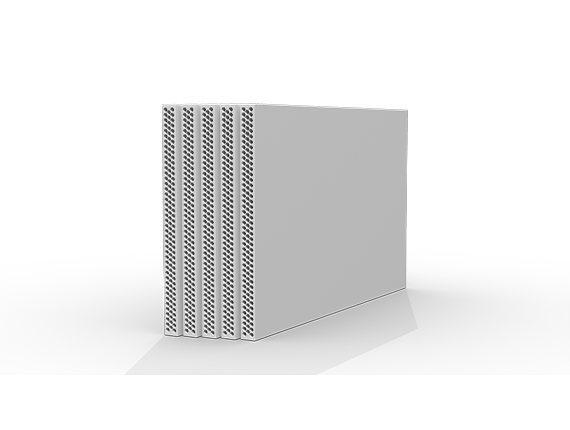
18 mm Plastic Plywood Formwork Board
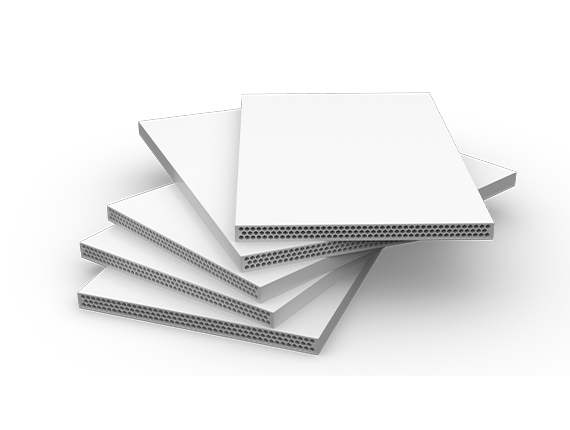
21 mm Plastic Plywood Formwork Board
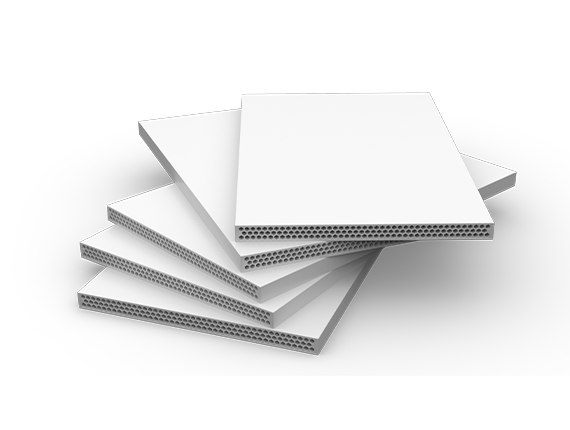
15 mm Plastic Plywood Formwork Board
Frequently Asked Questions
Technical guidance on lateral pressure, tie-rod sleeves, stripping, and polymer board life in wall casting.
Frequently Asked Questions
Common questions regarding board selection, reuse cycles, technical parameters, and global delivery.
Yes, when the framing is engineered for the concrete pour rate and lateral hydrostatic pressure, they perform exceptionally in wall and column panels.
Inquire about the exact test conditions, framing support, concrete mix, and jobsite handling practices. Any figure should be corroborated with real site records and laboratory testing rather than arbitrary claims.
The polymer name alone is not a sufficient selection criterion. Internal cross-section (solid, honeycomb, or fluted), weight, test certificates, jobsite temperature ranges, and pricing must all be evaluated together.
Yes, they can be easily cut using standard circular saws or hand woodworking tools. Using a blade with appropriate teeth ensures clean, burr-free edges.
Yes, standard framing nails, screws, and formwork clamp fixings can be applied. The polymer structure grips fasteners securely and does not splinter, split, or delaminate after repeated fastening.
Yes, surface gouges, deep scratches, or accidental drill holes can be easily repaired using hot-air polymer welding, welding rods, or polyurethane plugs, restoring a flush surface.
Other Concrete Formwork Engineering Guides
Explore panel selection, beam spacing, and deflection criteria for other structural elements.
Column Formwork
Under fast pouring rates and heavy vibration, polymer boards ensure crisp column lines, sharp corner definition with PVC chamfers, and smooth plaster-free vertical surfaces.
Fair-Faced Concrete
When architectural designs require uniform texture without timber grain, discoloration, or patch marks, SerPlywood produces a marble-smooth fair-faced concrete finish that eliminates plastering entirely.
Slab Formwork
In wide-span slabs, flat slabs, hollow-block and waffle systems, SerPlywood polymer boards maximize jobsite efficiency with zero water absorption, lightweight ergonomics (10.24 kg/m²), and 40-60+ reusable pour cycles.
Precast Elements
In precast factories and casting yards, polymer boards endure continuous steam curing (+65°C) and high-frequency vibration tables, providing 3 to 4 times longer lifespan than film-faced plywood.